What are the specific differences in performance and applicable scenarios of different types of riveting wheels?
The finishing wheel of Zhuzhou Xingzhou Carbide Co., Ltd. These wheels are among the most important tools used in a variety of trades and industries. In this article, we address how the various forms of riveter wheels operate and what differentiates them as well as where to utilize those types. This will allow you to determine which riveting wheel type is right for you!
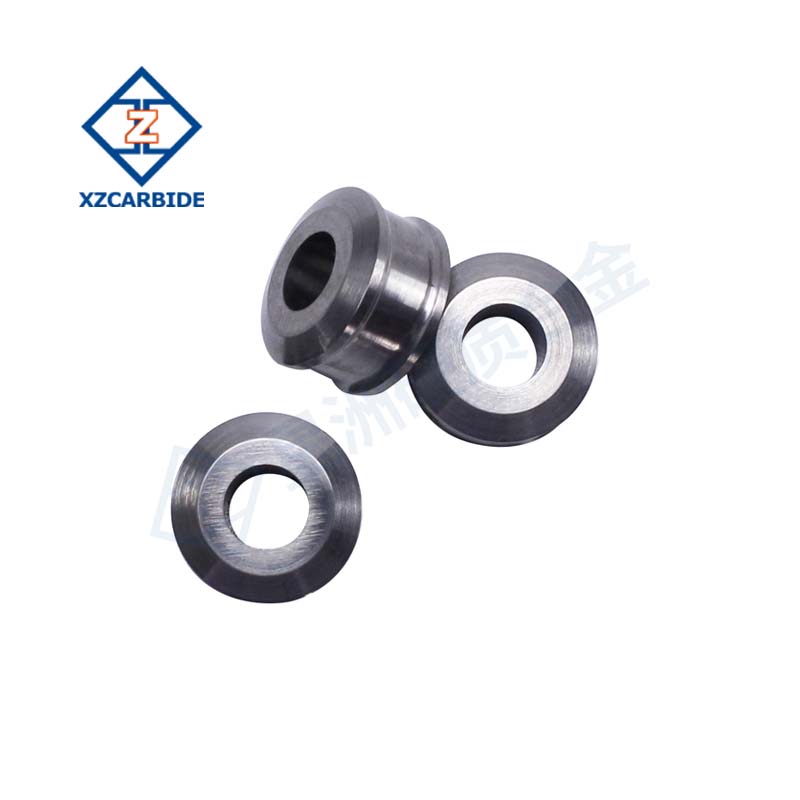
Riveting Wheels: Flat Head vs Countersunk
There are two most used wheeling types of rivets: flat head and countersunk. Water piercing wheels have water fall surface at the top. This flat section allows them to interlock firmly when placed together. Because they have a bigger surface contact area, these are good for high strength applications. For instance, in case whatever you're working on must be extremely sturdy and stay together in the long run, you might need to utilize a bugle head riveting wheel.
Countersunk: wherein the riveting wheels have a tapered or a sloped top. This Custom Tungsten Carbide Riveting Wheel Guiding Roll individual shape enables them to be slid over other contours seamlessly. In other words, their surfaces remain nice and even with no bumps or edges sticking up when you use them. This makes countersunk rivet wheels ideal for projects needing a clean and professional finish, such as store fixtures or decorative products.
Riveting Wheels: Solid vs. Tubular
Now, let's consider another difference: solid riveting wheels and tubular riveting wheels. One-piece wheels (solid riveting) Due to being made from one solid piece of material, these are much stronger and durable. Because they’re so strong, they’re commonly used in heavy-duty jobs like building construction or auto repairs. Solid riveting wheels are the right option when you require a wheel with the capacity to hold up under demanding conditions and have long life.
Tubular riveting wheels differ from the previous ones in that they have a hollow center. The hollow design gives them make them lighter and easier to move around. The tubular riveting wheel is commonly found in lightweight industries such as electronics or aerospace. In airplanes, for instance, every ounce matters and using lighter materials can increase performance. This is why tubular riveting wheels are the best suited for such projects.
Sizes of Riveting Wheels
There are also different sizes of riveting wheels, each of which has its merits and drawbacks. Wider diameter riveting wheels are more balanced and can support more weight. They are suitable for heavy duty applications where a strong, reliable tool is required. Larger wheels can be difficult to maneuver in tight spaces or small areas. If you have a tiny workplace, these large wheels might not be the best selection.
Smaller diameter riveting wheels, on the other hand, are much easier to control, making them much more suitable for precise tasks. They also offer more flexibility for use in sensitive tasks requiring fine movements. For instance, smaller wheels let you build better on a small project or when you need to be really accurate.
Materials for Riveting Wheels
The material from which the riveting wheels are made is equally important. The wheels usually work better with different materials. Example: carbide wheels are very hard and do not get worn out easily. This Carbide blade makes them perfect for high-speed applications, such as in manufacturing or production lines, in which they are used continuously.
The steel wheels, likewise, provide good strength and toughness. They are very versatile and can be used for projects as small and mundane as assembling furniture or as large as building a house! This is necessary as parts of the material work best for specific tasks. The choice of material can greatly affect how well the wheel does in your design.
РINFO Hold Right Riveting Wheel
There are a few things to consider when selecting the right riveting wheel for your project. Solid rivets are commonly used in automotive applications, where long-lasting strength and durability are critical. They are ideal for vehicle repairs and maintenance, providing a durable adhesive bond that withstands regular use.
This style of wheels typically works best for aerospace types of projects where weights are important considerations. Their lightweight design addresses stringent requirements of the aerospace industry where components need to be as light as possible.
Countersunk riveting wheels are used for construction work, where a smooth finish is required. They also provide a flush finish that adds to the overall appearance of the project and makes it more attractive.
When to Use Each Type of Rivet Wheel Since there are many types of riveting wheels Carbide sealing ring, each works best in various circumstances. Knowing these variations like the shape, materials, and size will help you find the most suitable riveting wheel for your work. As a manufacturer of riveting wheels, Zhuzhou Xingzhou Carbide Co., Ltd offers riveting wheels for many types of industry specific needs. Our quality stands true for all your projects and they are all a hit with it!


Comments
Post a Comment